Introduction
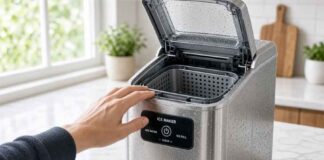
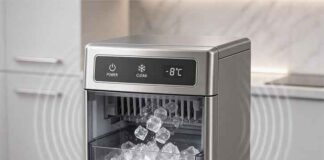
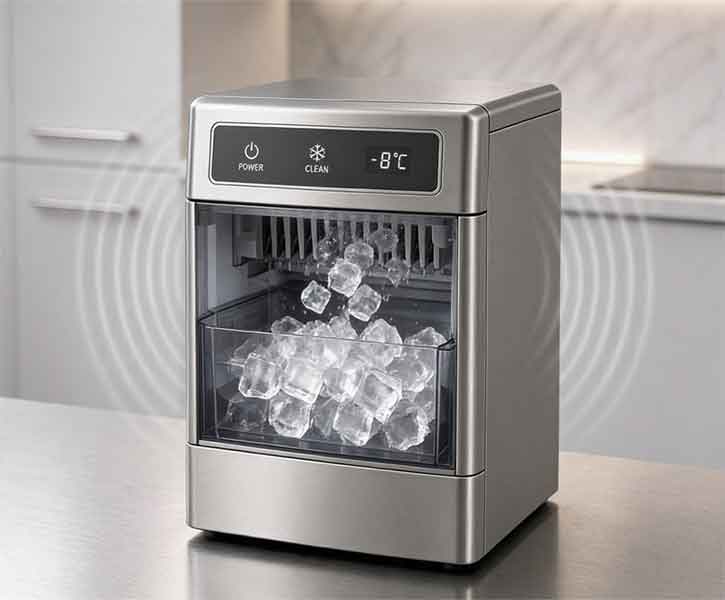
Countertop ice makers are small and easy to use machines. They can make ice in a short amount of time. However, sometimes the ice maker can make more noise than usual. Sometimes the noise can be mild, and sometimes it can be so loud that it becomes annoying to be near the machine.
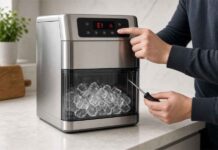
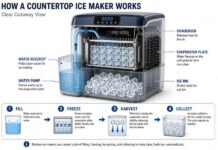
countertop ice maker making loud noise It is not right to assume at first that the machine is broken. The ice maker has a compressor, fan, water pump, and other moving parts inside. It is normal for them to make some noise while they are working.
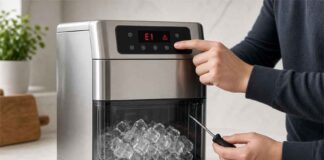
However, if the noise suddenly increases a lot, there are unusual sounds like grinding or squealing, the machine shakes a lot, or the ice making stops at the same time, then the matter needs to be checked.
In this guide, we will learn why countertop ice makers make loud noises, which sounds are normal, which sounds indicate a problem, and how to easily check for the problem.
Is It Normal for a countertop ice maker making loud noise
Yes, it is normal for a countertop ice maker to make some noise.
When the ice maker makes ice, the compressor inside it runs the cooling system. The water pump draws water from the reservoir and sends it to the ice-making part. The fan helps to expel the hot air inside the machine.
All of these activities may cause humming, buzzing, water sound, or light vibration.
So just because it makes noise doesn’t mean the machine is broken.
To understand the problem, you need to look at the type of sound, when the sound is occurring, and whether any other problems are occurring at the same time.
For example, a slight humming sound during the ice-making cycle may be normal. But if the ice making stops with a grinding sound, the machine needs to be checked.
What Does a Loud Noise From a Countertop Ice Maker Mean?
Loud noise can be caused by various reasons.
Sometimes vibration occurs due to the machine not being in an even place. Sometimes dust can accumulate in the fan and increase noise. Water pump can make more noise due to low water.
Again, the normal sound of the compressor can sometimes seem excessive.
The most important thing is, Are there any other signs with the word?।
If there is only noise but the machine makes ice well, then the problem may be minor.
But if loud noise is accompanied by any of the following, then more importance needs to be given:
- Ice is not being made.
- The machine is shaking too much.
- Grinding sound is happening.
- Burning smell coming
- Machine is overheating.
- Water leak is happening.
- Fan is not spinning.
Do you know how work an ice maker? Read here
The noise has suddenly increased a lot.
Common Reasons Why a Countertop Ice Maker Makes Loud Noise
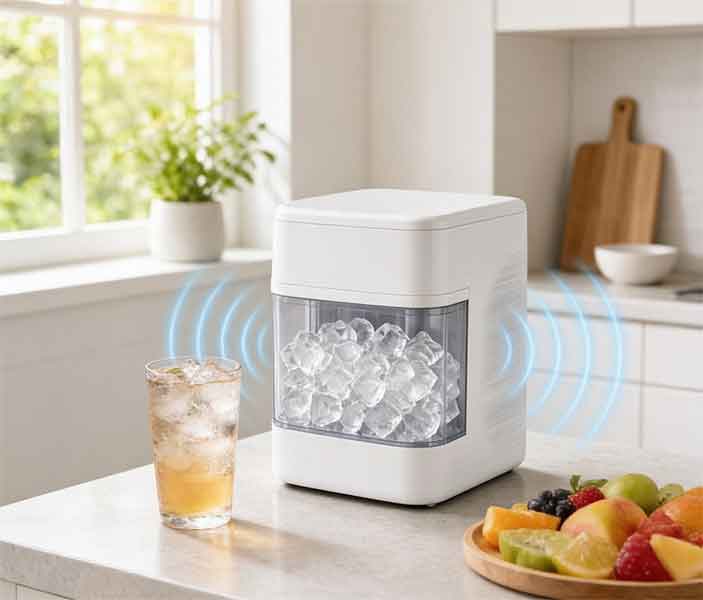
There can be many reasons why a countertop ice maker is loud. Below are the most common causes in simple terms.
The Compressor Is Making Noise
The compressor is an important part of the ice maker’s cooling system.
When making ice, the compressor turns on to help the cooling system work. This may cause a humming or low buzzing sound.
This is usually normal.
But if the compressor is much louder than before, starts and stops repeatedly, or makes other unusual sounds, then the machine needs to be checked.
It is not a good idea to try to open and repair the compressor yourself. It is a vital part of the machine and may be connected to the refrigerant system.
The Water Pump Is Making Noise
The water pump lifts water from the reservoir and sends it to the ice-making area.
The sound of the pump can be heard more in some machines when the water is low. The pump can work longer even if the water flow is not correct.
So first check if there is enough water in the water reservoir.
However, simply adding more water will not fix all pump noise. Noise can also occur if the pump is dirty or if there is a problem with the water flow.
The Fan Is Making Noise
There is a fan inside the ice maker. This helps to remove the hot air inside the machine.
Noise can occur if dust accumulates on the fan or if something is stuck around the fan.
If there is a problem with the fan, there may be a rattling, buzzing, or sometimes scraping sound instead of humming.
Unplug the machine and check for dust on the outside of the air vents and fan.
The Ice Maker Is Not Sitting Level
If the ice maker is not on an even surface, vibration may be excessive.
Suppose one side of the machine is a little higher or lower. Then the vibration can spread more over the table when the compressor and fan are running.
As a result, the machine may seem much louder than normal.
Place the ice maker on a hard and level surface.
Something Is Vibrating Against the Machine
Many times there is no major problem inside the machine. The noise is caused by something nearby touching the machine.
For example:
- Wall
- Cabinet
- Bottle
- Kitchen item
- Tray
- Metal surface
When the ice maker is turned on, it creates vibrations and this vibration can affect nearby objects.
Leave some space around the machine and keep it away from other things.
The Ice Basket Is Causing the Noise
If the ice basket is not installed properly, it may move while the machine is running.
This may cause a rattling or vibrating sound.
Take out the basket and put it back in properly. Also check if there are any ice pieces stuck under or on the side of the basket.
Ice Is Getting Stuck
Sometimes ice can get stuck near the ice-making area or ice basket.
If the ice is stuck, it may come into contact with the moving parts of the machine. This may cause unusual noises.
If ice appears stuck, turn off the machine and wait for a while. Do not try to force the ice out.
The Machine Has Too Little Water
Some ice maker pumps can make a lot of noise if the water level is too low.
Because the pump is not able to lift the water properly.
Check if the water reservoir has the recommended level of water.
However, it is best to follow the water level specified in the machine’s manual.
Mineral Buildup Is Affecting the Machine
Using hard water can cause mineral buildup inside the machine over time.
This buildup can accumulate around the water path, pump, or ice-making parts.
As a result, water flow may decrease and the machine may make unusual sounds while operating.
Regular cleaning helps reduce this problem.
Dust Is Blocking the Air Vents
Air vents help to release hot air inside the machine.
Airflow can be reduced if dust accumulates in the vent.
Then the cooling system may have to work harder. In some cases, both the sound and heat of the machine may increase.
So it is important to keep air vents clean.
Different Types of Countertop Ice Maker Noise
Looking at the type of sound gives an idea of the cause of the problem.
Humming Noise
Humming sound is often caused by the compressor.
A slight humming sound during the ice-making cycle is usually normal.
However, if the sound is very loud or has increased significantly, check the machine.
Buzzing Noise
The buzzing sound could come from the water pump, fan, or compressor.
First, check the water level and air vents.
If the buzzing is accompanied by vibration or ice-making problems, further testing may be necessary.
Clicking Noise
There may be a clicking sound when the control system or any other part of the ice maker is working.
A single or occasional small clicking sound does not always indicate a problem.
But if the clicking continues and the machine does not produce ice, the problem should be checked.
Rattling Noise
Rattling sounds can usually be related to a loose or vibrating part.
Check if the ice basket is installed properly.
Check if the machine is touching the wall or any other object.
Grinding Noise
Grinding sound should be given more importance.
This could be related to a problem with the fan or other moving parts.
If this type of noise continues, it is best to turn off the machine and check.
It is not advisable to run the machine for a long time without knowing the cause of the noise.
Squealing Noise
Squealing or a very sharp sound is not a normal ice-making sound.
It may be related to the fan or other moving parts.
Unplug the machine and check the outside. If there is a problem, it is better to seek professional service.
Gurgling or Water Noise
Some machines may make a water or gurgling sound during water flow.
Some sounds may also be heard during the cooling system cycle.
So this sound is not always a problem.
However, if it is accompanied by water leaks, ice-making problems, or unusual vibrations, then the machine needs to be checked.
Loud Vibrating Noise
Loud vibration can usually be caused by the position of the machine, the surface, or a loose part.
First, place the machine on a flat surface.
Keep it a little away from the wall or cabinet.
Then run it again and see if the noise decreases.
How to Fix a Countertop Ice Maker Making Loud Noise
In many cases, noise can be reduced by doing some simple checks.
Step 1: Turn Off the Ice Maker
First, turn off the ice maker.
Do not touch any internal parts of the machine while it is running.
Step 2: Unplug the Machine
After turning off the machine, unplug it.
This increases safety during cleaning or inspection.
Step 3: Check the Water Level
Check the water reservoir.
If the water is too low, add the correct amount of water according to the manual.
Step 4: Check the Ice Basket
Take out the ice basket and check if it was installed properly.
Check to see if there are any large ice pieces stuck in the basket.
Step 5: Check the Machine Position
Place the ice maker on a flat and strong surface.
The machine should not be tilted to one side.
Step 6: Move It Away From the Wall
Do not place the machine directly against the wall.
Leave some space on the side so that the vibration does not directly affect the wall or cabinet.
Step 7: Check the Air Vents
Check if there are any objects in front of the air vents.
If the vent is blocked, airflow may be reduced.
Step 8: Clean Dust and Dirt
Clean the dust from the outside of the machine and around the air vents.
The machine should be unplugged before cleaning.
Step 9: Check for Ice Buildup
Check for excess ice buildup near the ice-making area or basket.
If ice is stuck, turn off the machine and let the ice loosen naturally.
Step 10: Clean Mineral Buildup
If a white mineral layer appears inside the machine, cleaning may be necessary.
Refer to your machine’s manual to determine which cleaning method to use.
It is not safe to use the same cleaning product on all machines.
Step 11: Restart the Machine
After checking everything, restart the machine.
Observe for a while.
Step 12: Listen for the Noise Again
Listen to see if the noise has decreased compared to before.
If the sound has decreased, there was probably some minor cause related to position, vibration, dust, or water. If the words are the same, further inspection may be needed
How to Reduce Countertop Ice Maker Vibration
You can follow a few simple steps to reduce vibration.
First, place the machine on a flat surface.
Then place it a little away from the wall, cabinet or other kitchen item.
Check if the ice basket is installed correctly.
Check if there are any small objects or uneven material under the machine.
If the table is too thin or unstable, place the machine on another stable surface.
This way, vibration is often reduced.
How to Clean a Noisy Countertop Ice Maker
A dirty machine can also increase noise.
The machine may not function normally if there is dirt or mineral buildup, especially in the air vents, water system, and ice-making area.
Before cleaning:
- Turn off the machine.
- Open the plug.
- Pour out the water.
- Take out the ice basket.
- Separate removable parts
- See manufacturer’s cleaning instructions.
Clean the water reservoir and removable parts thoroughly.
Clean the dust around the air vents.
After cleaning, let the machine dry completely. It is important to check the manual before using any chemical. Some cleaning products can damage the inside of the machine.
How Does Room Temperature Affect Ice Maker Noise?
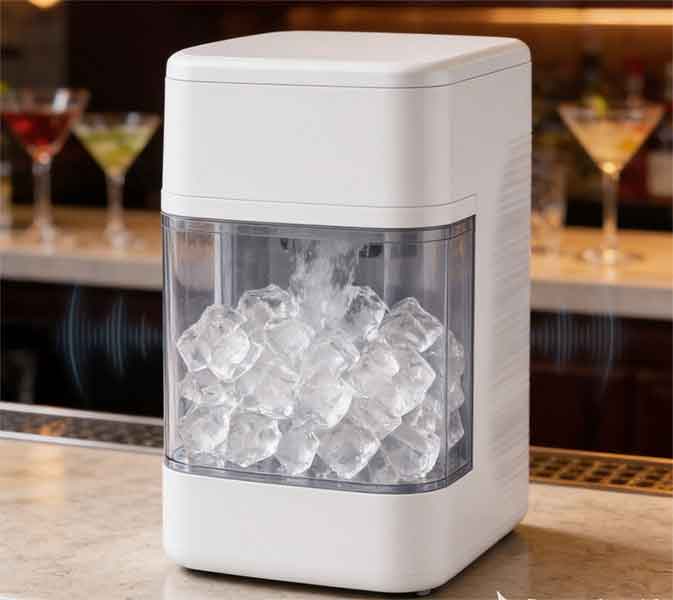
Room temperature can affect the performance of the ice maker.
If you keep the machine in a very hot place, the cooling system may have to work harder.
As a result, the compressor and fan can run longer.
It may seem noisy.
It is best not to place the ice maker near direct sunlight, a stove, oven, or other heat source.
Place the machine in a place with good airflow.
Can Low Water Make a Countertop Ice Maker Loud?
Yes, in some machines, the water pump may be louder due to low water level.
When the pump does not receive enough water, the water flow may not be correct.
So if you hear noise, checking the water reservoir is an easy step to take first.
However, if there is noise even after adjusting the water level, you need to look for another cause.
Can Hard Water Cause a Noisy Ice Maker?
Minerals from hard water can build up inside the machine.
Over time, this buildup can affect water flow and the functioning of some internal parts.
As a result, the performance of the machine may decrease and in some cases, unusual sounds may occur.
Regular cleaning is even more important if the water in your area is high in minerals.
When using water, follow the type of water recommended by the manufacturer.
When Is Countertop Ice Maker Noise Normal?
The following types of sounds can sometimes be normal:
- Low humming
- Light buzzing
- Water flowing sound
- Mild vibration
- Ice dropping sound
- Short clicking sound
However, the volume and timing of the sound are important.
The normal sound of one machine may be different from another.
Therefore, the information provided in the manual for your specific model is the best reference.
When Is Countertop Ice Maker Noise a Problem?
Noise should be taken seriously if the following symptoms are present:
- Very loud grinding sound
- Strong squealing sound
- Continuous rattling
- Too much vibration
- Burning smell
- Water leak
- Machine getting too hot
- Ice making stops with noise
- Fan not working
- Noise suddenly increases a lot
If you have this type of problem, turn off the machine and check the cause. It is safer not to use the machine if there is an electrical smell, damaged cord, or water near electrical parts.
Can a Noisy Countertop Ice Maker Be Dangerous?
Not all loud noise is dangerous.
Many times the cause of noise can simply be vibration, water level, or machine position.
However, the machine should not be used if there is a burning smell, damaged wire, water near electrical parts, or unusual overheating.
In this case, unplug the power cord and seek help from a qualified technician or manufacturer support.
Can You Fix a Noisy Countertop Ice Maker Yourself?
You can check some minor problems yourself.
Problems You Can Usually Check Yourself
You can usually check the following:
- Water level
- Ice basket
- Machine position
- Air vents
- Dust
- External vibration
- Ice buildup
- Basic cleaning
It is safe to unplug the machine before checking these things.
Problems That May Need Professional Help
It is not right to try to fix some problems yourself.
For example:
- Compressor problem
- Refrigerant system problem
- Serious electrical problem
- Damaged internal wiring
- Motor problem
- Internal fan damage
- Burning smell
- Severe overheating
It is better to seek professional service for such problems.
How to Prevent a Countertop Ice Maker From Making Loud Noise
Unnecessary noise can be reduced by taking some basic care beforehand.
Always place the machine on a flat surface.
Keep air vents clean.
Leave enough space around the machine for airflow.
Keep the water reservoir clean.
Do not allow mineral buildup due to hard water.
Clean the ice basket regularly.
Do not place the machine against a wall or cabinet.
Keep away from direct sunlight and heat sources.
Also, follow the manufacturer’s recommended cleaning and maintenance schedule.
Countertop Ice Maker Noise Troubleshooting Checklist
| Noise Type | Possible Cause | What to Check |
| Humming | Compressor | Whether the sound is mild or unusually loud |
| Buzzing | Pump, fan or compressor | Water level and airflow |
| Rattling | Vibration or loose contact | Machine position and ice basket |
| Grinding | Fan or moving part | Stop and inspect the machine |
| Clicking | Control or internal part | Whether it happens repeatedly |
| Gurgling | Water or cooling cycle | Water flow and leaks |
| Loud vibration | Uneven surface | Place machine on a flat surface |
| Noise + no ice | Pump, cooling or airflow issue | Water, vents and ice-making system |
Frequently Asked Questions
Why Is My Countertop Ice Maker Making Loud Noise?
Loud noise can be caused by a compressor, water pump, fan, vibration, low water level, ice buildup, or mineral buildup.
First, check the water level, machine position, ice basket, and air vents.
Why Is My Countertop Ice Maker Making a Buzzing Noise?
The buzzing sound could come from the compressor, water pump, or fan.
A slight buzzing sound may be normal, but if the sound is too loud, check the water level, airflow, and machine position.
Why Is My Countertop Ice Maker Making a Grinding Noise?
Grinding sound is not a normal sound.
There may be a problem with the fan or other moving parts. It is best to turn off the machine and check.
Why Is My Ice Maker Making a Rattling Noise?
Rattling can usually be caused by vibration, the ice basket, or something else touching the machine.
Place the machine on a flat surface and check the surroundings.
Why Does My Countertop Ice Maker Vibrate So Much?
Vibration may increase if the machine is on an uneven surface.
Even if the machine is mounted to a wall or cabinet, vibration can still be heard.
Is It Normal for a Countertop Ice Maker to Make Noise?
Yes, some noise is normal.
Humming, buzzing, or water sounds may occur due to the compressor, fan, and water pump working.
However, if the noise is very loud or unusual, the cause should be checked.
Why Does My Ice Maker Make Noise When Making Ice?
The compressor, fan, and water pump operate during the ice-making cycle.
So it’s normal to have some noise during this time.
If the noise volume is too high or other problems occur, check the machine.
Why Does My Ice Maker Make Noise When Dropping Ice?
After the ice is made, there may be a sound of ice pieces falling into the basket.
This sound is usually short and occasional.
If there is a loud grinding or continuous sound, there may be another cause.
Can Low Water Make an Ice Maker Noisy?
In some machines, low water levels may cause the pump to make more noise.
Check the water reservoir level and add water according to the manufacturer’s recommended level.
Can Hard Water Make a Countertop Ice Maker Noisy?
Minerals from hard water can build up inside the machine.
This can affect water flow and machine performance. Regular cleaning helps reduce this buildup.
Can a Dirty Fan Make an Ice Maker Loud?
Yes, dust accumulating around the fan can reduce airflow and make the fan more noisy.
It is good to keep air vents and accessible fan areas clean.
How Do I Make My Countertop Ice Maker Quieter?
First, place the machine on a flat surface.
Keep it away from the wall, check the water level, clean the air vents, and check if the ice basket is properly installed.
Should I Unplug a Noisy Countertop Ice Maker?
If the noise is very unusual, the machine gets very hot, there is a burning smell or a grinding/squealing sound, then it is best to turn off the machine and unplug it.
Can a Noisy Ice Maker Be Repaired?
Yes, repair may be possible depending on the cause.
Simple problems such as position, dust, water level, or ice buildup can be easily fixed.
But if there is a problem with the compressor, electrical parts, or refrigerant system, professional help may be needed.
When Should I Call a Technician?
If, after performing basic checks, there is still a loud noise, or a burning smell, severe vibration, water leak, overheating, or ice-making failure, it is best to contact a technician or manufacturer support.
Final Thoughts
countertop ice maker making loud noise So, you shouldn’t always assume that the machine is broken.
Sometimes the reason for a loud sound can be very simple. The noise can be caused by things like the machine being on an uneven surface, vibrating against the wall, the water level being low, the ice basket not being properly seated, or dust accumulating in the air vents.
Do simple checks first.
Check the water level. Install the ice basket properly. Place the machine on a flat surface. Keep it away from the wall. Clean the air vents and check for ice buildup.
However, if there is grinding, squealing or very unusual noise, the matter should be looked into more seriously. If there is a burning smell, damaged wire, water leak or excessive heat, stop using the machine.
With regular cleaning, good airflow, and proper placement, a countertop ice maker can work well and relatively quietly.